
Insights
Practical guides on biochar handling, measurement, verification and compliance from the engineers who design and build the equipment.
 LIVE
LIVE| Batch | Time | Wet kg | Moist % | Dry kg | Status |
|---|---|---|---|---|---|
| B-0419 | 11:03 | 512.4 | 29.6 | 360.8 | ● Recording |
| B-0418 | 10:42 | 1,008.0 | 30.1 | 704.6 | Logged ✓ |
| B-0417 | 10:21 | 1,015.2 | 29.4 | 716.7 | Logged ✓ |
| B-0416 | 10:00 | 996.8 | 30.6 | 691.8 | Logged ✓ |
Biochar dMRV: what registries expect
A practical guide to digital measurement, reporting and verification (dMRV) for biochar producers: what to measure, why dry mass and moisture matter, and a readiness checklist.
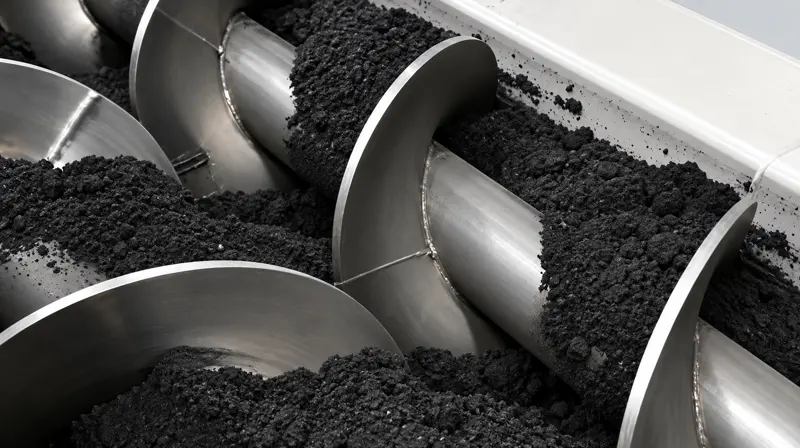
Shipping biochar by sea: the IMDG ≤40 °C packing rule
What IMDG Special Provision 978 requires for biochar shipped as UN 1361 since 1 January 2026: 14-day weathering, the ≤40 °C packing limit, container stowage and the records your declaration needs.
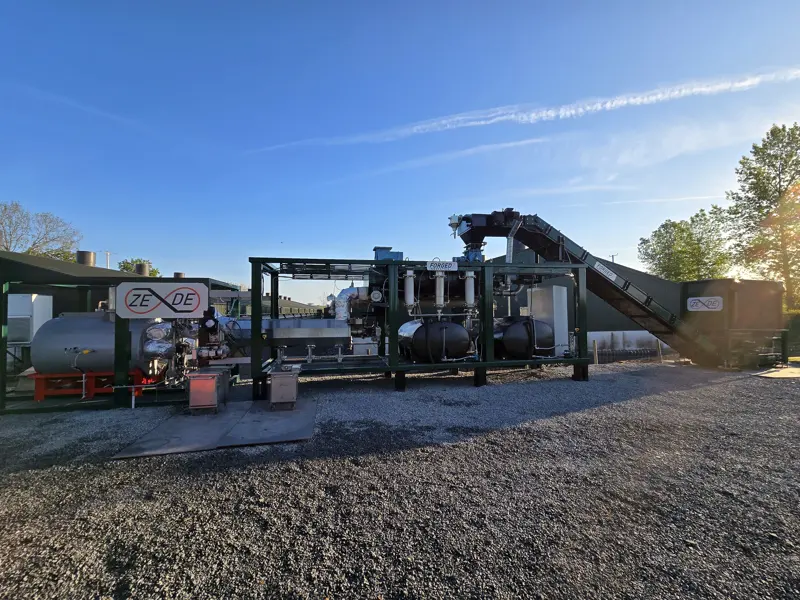
April 2027: where will 600,000 t of poultry litter go?
The UK’s poultry-litter power stations may start closing from April 2027. What that means for litter outlets and farm businesses, and the practical options producers have before the capacity disappears.
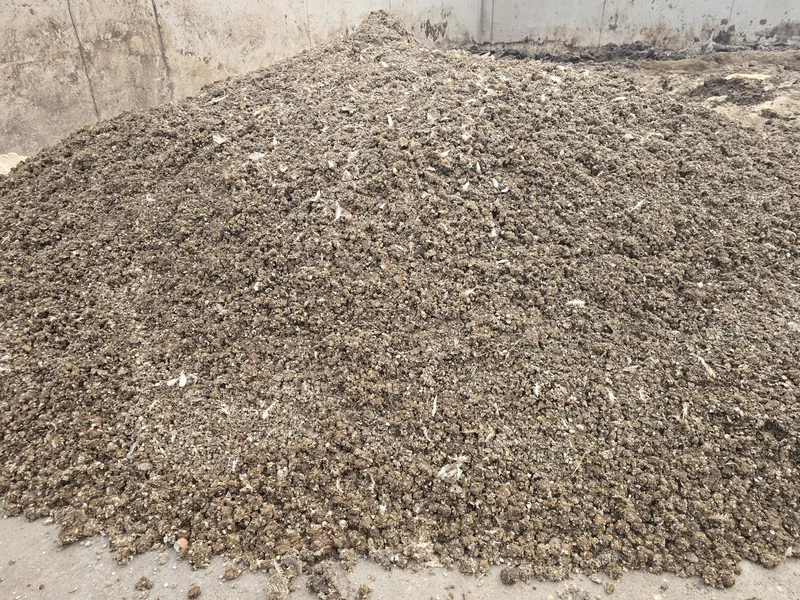
Drying layer manure at source: the first 48 hours
Drying layer manure within one to three days of production keeps its nitrogen, cuts its weight by half or more, and turns a wet disposal problem into a stable, saleable product. How it works and what it takes.
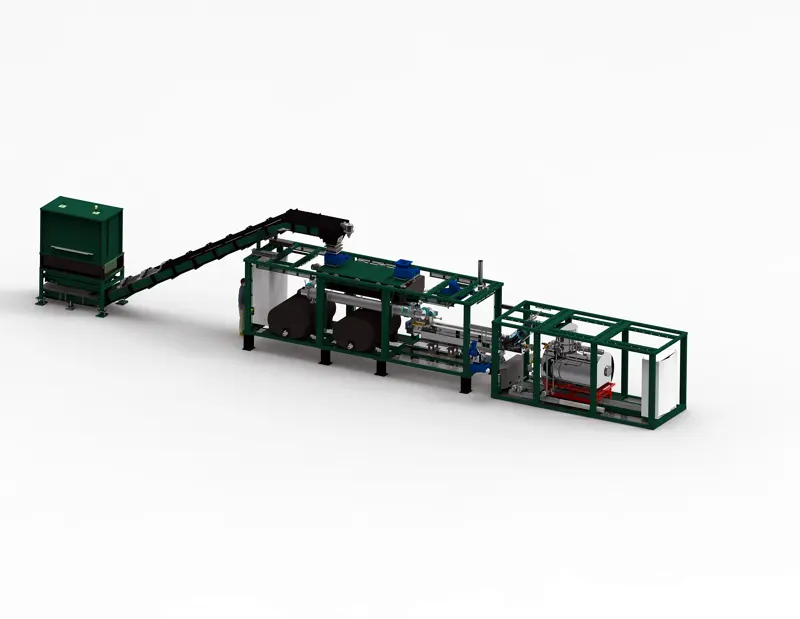
Drier litter for the whole crop: heat from the house’s own litter
Most of a broiler crop’s water arrives after the heat is switched off. How a house’s own litter can supply enough heat to keep litter dry for the whole crop, at no fuel cost.
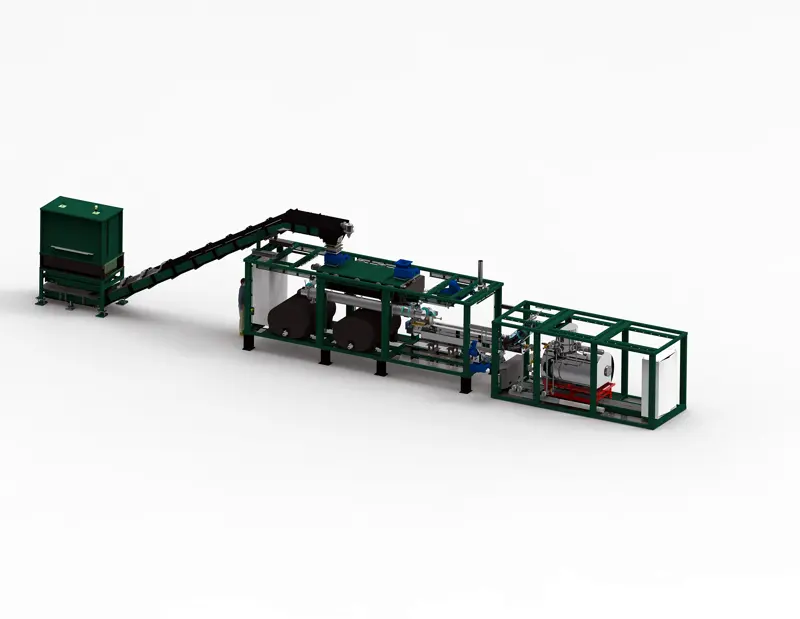
How to defeat ammonia with water management
The technical reference: how ammonia forms and is released, where the water in a poultry house comes from and goes, how ventilation removes it, and why consistent heat through the whole crop stops ammonia forming.